
Biomere has partnered with Emulate to offer early toxicology CRO services using the Zoe Organ-Chip system, a NAMs platform nearing full qualification as an FDA Drug Development Tool (DDT). The platform allows toxicity assessment of novel therapies before moving to time-consuming and costly in vivo studies. It also supports the 3Rs, with the potential to reduce and refine animal use.
The Organ-Chip platform supports the culture of multiple cell types from specific organs, including the liver, kidney, lungs and brain. Cells are cultured in a microfluidics-controlled system that flows media across two channels separated by a membrane, allowing different cell types to be cultured in each channel and interact with each other.
In the Liver-Chip primary human hepatocytes are cultured on the top channel, with non-parenchymal cells (Kupffer cells, stellate cells, and liver sinusoidal endothelial cells, or LSECs) on the bottom. This combination of tissue-specific cells and continuous media flow mimics the in vivo state, supporting physiologically relevant responses to therapies.
Biomere offers preclinical drug discovery services using the Organ-Chip system. The first validated application is evaluation of drug-induced liver injury (DILI), a key component of drug safety studies. Subsequent services will include kidney toxicity assessment using the Kidney-Chip and neurotoxicity assessment using the Brain-Chip.
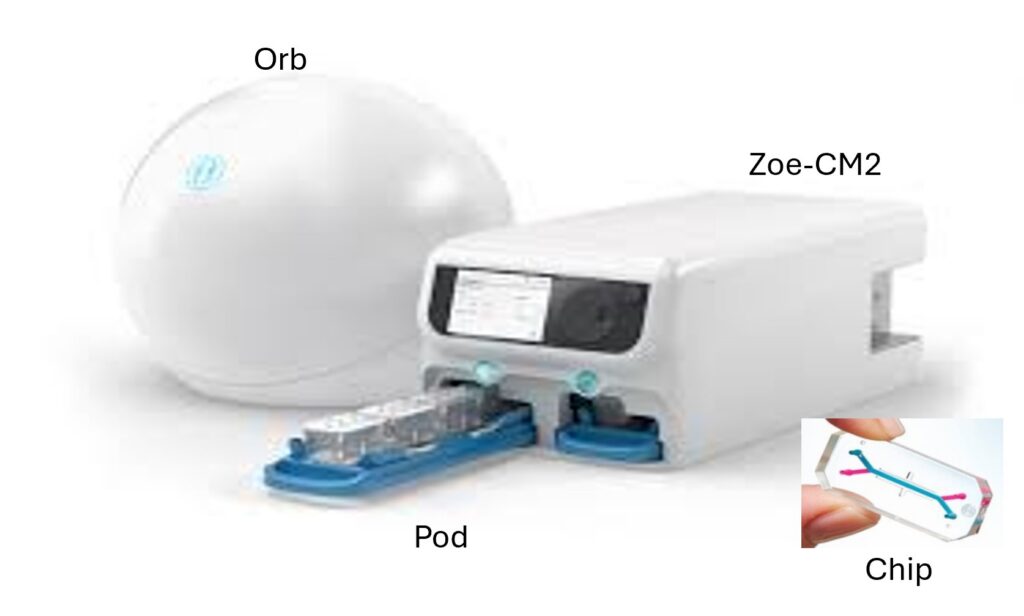
The primary endpoints for the Organ-Chip system include:
The Biomere team is excited to collaborate with drug developers to evaluate new Organ-Chip models and services.
Biomere scientists have performed pilot studies to evaluate the Organ-Chip platform using available medications reported to cause liver injury clinically.
LPS-Induced Toxicity:
Acetaminophen Toxicity:
Clozapine-Induced Toxicity:
These examples highlight the protocols and key endpoints used to measure liver toxicity induced by known or novel therapies in a physiologically relevant human Organ-Chip system.

